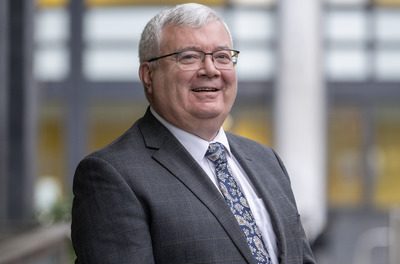
Local community activist Cormac Corr is calling for the extension of the planned railway line to Navan to be brought to Kells and north Meath. He recalls the past importance the railway line played and how in the future it may well bring much needed rail connections to the county and greater Dublin area.
“It’s been over sixty years since a train last left Ballybeg station,” Cormac Corr PC, reminded his followers on social media recently. Sixty years, he says, since North Meath railways fell silent. Ballybeg, once a proud stop on the Great Northern Railway’s Drogheda, Navan, Oldcastle line, witnessed the comings and goings of life itself. Trains carried people, goods, and ideas, and towns like Kells, Athboy, and Oldcastle pulsed with activity around their timetables.
Older residents still recall the bustle of the platforms. Farmers with sacks of potatoes and crates of eggs, bound for markets in Navan or Drogheda. Children waving to the engine driver as the train rumbled past the school. Families taking day trips that would have been long and tiring by road.
But time was cruel to Ballybeg and its neighbours. Rails were torn up, stations locked, and the familiar whistle of engines faded into memory. Roads became the main arteries of travel, but they could not match the speed, reliability, or efficiency of the train. Towns like Kells fell behind while other regions, especially in Europe, surged ahead thanks to better infrastructure.
This week, there is a glimmer of hope. Jobs are being advertised as part of the Navan Rail Project. Corr welcomes it, but he urges a broader vision. “Navan is getting its rail link back is a fantastic start, yes,” he says. “But we can’t leave Kells and the rest of north Meath behind. Our towns were built around rail once, and with rising populations, traffic congestion, and a renewed push for sustainable transport, the argument for its return has never been stronger.”
Corr imagines a north Meath shaped by movement and connection. Trains glide into stations crowded with commuters, students, and visitors. Roads are quieter as more people leave the car at home. Businesses thrive as goods and customers move easily between towns. Cafes, shops, and cultural spaces cluster around stations, creating hubs of community life. Young people remain in the region, confident that work, school, and opportunity are within easy reach. Historic streets in Kells and Athboy welcome visitors from Dublin and beyond. The rails thread through town and countryside, knitting together economy, culture, and daily life.
Examples from Europe show what this can achieve. Germany’s regional rail expansions have revitalised towns outside the cities. France’s TER trains bring commerce and tourism back to smaller communities. Even in Scandinavia, towns once bypassed by rail have flourished after lines returned. A railway can transform towns, and the benefits last long after the first train whistles past.
Corr calls on residents, business owners, and local politicians to make their voices heard. The return of rail is an investment in a North Meath that is connected, vibrant, and full of opportunity. “Now,” he says, “is the time to get our corner of the county back on track.”

–